
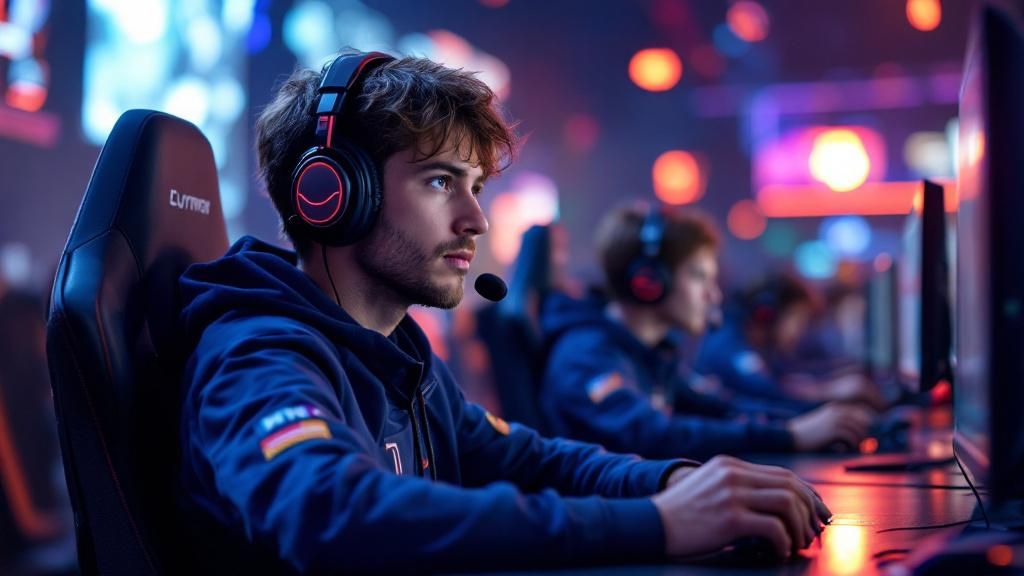
The esports industry has advanced substantially in emphasising competitor wellbeing. Major tournament organisers have jointly unveiled a extensive competitor welfare framework, addressing established worries about mental health, working conditions, and fair treatment within competitive esports. This significant undertaking marks a pivotal moment for esports legitimacy, establishing baseline protections that could reshape how the industry operates. We examine the framework’s principal elements, the organisations driving this change, and what it means for athletes and professional gaming in the future.
Sector-Wide Dedication to Responsible Gaming
The collaborative effort between major esports companies marks a significant milestone for athlete safeguarding within esports competition. This unified framework demonstrates the industry’s genuine commitment to developing enduring guidelines that prioritise competitor wellbeing alongside sporting achievement. By combining knowledge and capabilities, these organisations have created comprehensive guidelines addressing bodily fitness, emotional health, and workplace protection. The programme demonstrates growing recognition that player welfare directly influences performance quality and career longevity, making it crucial for the sector’s reputation and development.
Tournament operators have recognised that earlier guidelines were scattered and uneven, putting athletes at risk of overwork and exhaustion. The revised structure creates uniform requirements across major competitions, guaranteeing all professional athletes obtains equal support and connection to crucial welfare resources. This integrated system removes unfair disparities arising from varying welfare provisions and establishes a level playing field. Industry leaders highlight that these standards constitute baseline expectations, encouraging organisations to surpass fundamental requirements and build authentically nurturing spaces where athletes can flourish both professionally and personally.
Core Features of the Welfare Provision
The newly established welfare framework consists of several interconnected pillars intended to protect player interests thoroughly. These provisions address mental wellbeing assistance, physical health, equitable employment terms, and transparent dispute resolution processes. By combining these components, tournament organisers strive to create a holistic approach that acknowledges esports athletes as professional competitors deserving robust protections. The framework defines baseline requirements that all associated competitions are required to adopt, ensuring standardised player protections across the competitive gaming landscape.
Mental Health Support Services
Understanding the emotional demands inherent in competitive esports, the framework requires provision of mental health professionals for every competing player. Event organisers should offer confidential therapy services, via direct provision or partnerships with qualified mental health providers. This provision covers stress reduction, support for performance-related anxiety, and crisis intervention resources. Players have access to qualified psychologists who understand esports-specific challenges, including online harassment, high-level competitive stress, and career instability.
The framework additionally mandates tournaments to implement mental health awareness programmes and destigmatisation initiatives within the community. Organisers need to inform players, coaches, and staff about spotting psychological difficulties and utilising appropriate support. Regular check-ins and wellbeing tracking mechanisms help spot struggling players at an early stage, enabling preventative measures before situations escalate into severe mental health emergencies.
Physical Wellbeing Requirements
Tournament coordinators must implement thorough health and safety standards addressing ergonomics, break times, and medical oversight. The framework stipulates proper seating, display positioning, and downtime to prevent RSI common among esports professionals. Clinical personnel must attend at major tournaments to manage immediate medical concerns, whilst organisers are required to offer guidance about injury avoidance and proper healthcare support for sustained athlete progression.
Environmental factors at tournament venues are now covered under strict guidelines ensuring player wellbeing and safety. Regulations address temperature control, lighting standards, and noise levels to establish optimal competitive conditions. Additionally, the framework promotes players to have periodic health checks and provides guidance on nutrition, sleep hygiene, and exercise routines vital to sustained professional performance in esports.
- Workplace gear assessments performed by certified experts
- Required breaks during competitions reducing athlete fatigue
- On-site medical staff available during all competitive events
- Injury reduction training and rehabilitation service availability
- Wellness tracking systems tracking athlete health across the year
Implementation Timeline and Standards
The framework will be implemented in three separate phases, commencing immediately with initial evaluations across participating organisations. Tournament operators have pledged to completing first audits of their current practices by the end of the first quarter, pinpointing differences between existing protocols and the updated requirements. This foundational phase ensures a thorough understanding of each organisation’s baseline position before implementing substantive changes. Subsequent phases will involve employee development, procedural revisions, and the creation of autonomous monitoring systems to secure conformity and responsibility throughout the esports industry.
The standards themselves include mandatory provisions covering mental health support, practical training timetables, and open reward distribution systems. Each organisation is required to appoint a designated welfare champion responsible for addressing grievances and maintaining compliance with guidelines. Routine inspections, carried out by third-party bodies, will verify compliance and identify areas requiring improvement. These extensive protections set defined targets for competitor welfare, with enforcement mechanisms including monetary sanctions and possible competition restrictions for organisations unable to meet required standards.
Industry Reaction and Outlook Ahead
The declaration has received widespread support from stakeholders across the professional esports landscape. Player unions have commended the framework as a necessary step towards advancing the professional standards of the space, whilst team owners and sponsors acknowledge the opportunity for improved legitimacy and longevity. Gaming equipment manufacturers and content distribution networks have undertaken to incorporate player welfare into their day-to-day activities, reflecting a unified resolve to systemic change. Preliminary evidence indicate that regulatory bodies and government officials perceive the standards favourably, possibly opening the door to legislative recognition of professional esports as a recognised professional industry.
Looking ahead, sector analysts anticipate that this framework will function as a template for worldwide implementation, with regional competitions and grassroots events set to implement similar guidelines. The programme is expected to inspire continued dialogue regarding player compensation, professional progression routes, and psychological support services. As esports undergoes rapid expansion, these welfare standards constitute a vital protection mechanism ensuring that competitive gaming remains viable, welcoming, and considerate for all participants, in turn strengthening the industry’s position as a legitimate competitive sector.
